
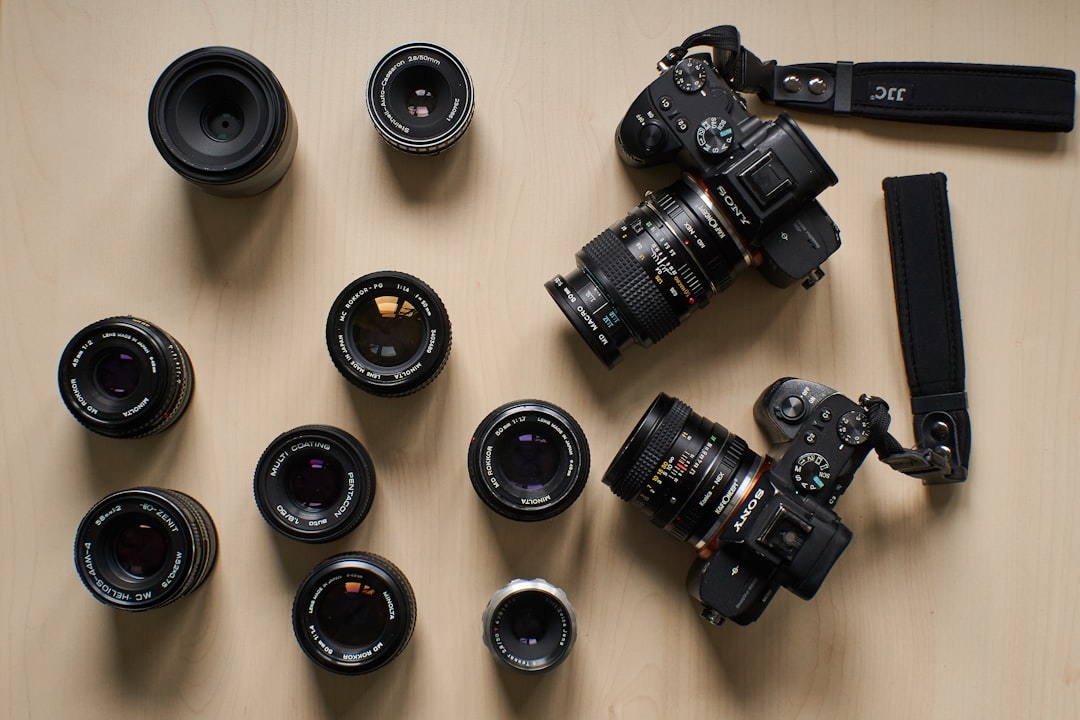
In the ever-evolving world of photography, the debate between DSLR and mirrorless cameras has become a hot topic among enthusiasts and professionals alike. As we delve into this comparison, it’s essential to consider not just the technical specifications but also the impact of our choices on the environment. At cameraandextras.com, we are committed to promoting eco-conscious decisions in tech purchases, ensuring that our customers can enjoy their passion for photography while being mindful of sustainability.
First, let’s break down the fundamental differences between DSLR and mirrorless cameras. DSLRs, or Digital Single-Lens Reflex cameras, have been the go-to choice for photographers for years. They utilize a mirror mechanism to reflect light from the lens up into an optical viewfinder. This allows photographers to see exactly what they are capturing in real-time. However, this mechanical system makes DSLRs bulkier and heavier, which can be a drawback for those who prefer portability.
On the other hand, mirrorless cameras, as the name suggests, do not have a mirror mechanism. Instead, they rely on electronic viewfinders or the rear LCD screen to display the image. This design allows for a more compact and lightweight camera body, making it an appealing option for travel and street photographers. Additionally, mirrorless cameras often boast faster autofocus and higher frame rates, which can be advantageous for capturing fast-moving subjects.
When considering which camera is best, it’s crucial to think about how our choices impact the planet. At cameraandextras.com, we prioritize eco-friendly products and ethical sourcing. We understand that the production of tech products can have significant environmental consequences, from resource extraction to manufacturing processes. That’s why we are proud to offer products that meet the Energy Star certification, a standard that signifies energy efficiency and reduced environmental impact.
Energy Star-certified products are designed to consume less energy, which not only helps in reducing carbon footprints but also saves consumers money on their energy bills. By choosing a camera that meets this certification, buyers can trust that they are making a responsible choice that aligns with their values. This certification enhances buyer trust, as it assures customers that the products they are investing in are not only high-quality but also contribute to a more sustainable future.
Moreover, the sustainability aspect extends beyond just energy efficiency. Many manufacturers are now adopting eco-friendly practices in their production processes, such as using recycled materials and reducing waste. By supporting brands that prioritize sustainability, consumers can play a vital role in promoting ethical practices within the tech industry.
In terms of performance, both DSLR and mirrorless cameras have their strengths. DSLRs typically excel in battery life, as the optical viewfinder consumes less power than electronic displays. However, mirrorless cameras are catching up quickly, with advancements in battery technology. Additionally, mirrorless systems often provide superior video capabilities, making them a favorite among content creators.
Ultimately, the choice between DSLR and mirrorless comes down to personal preference and specific needs. If you value a traditional photography experience with an optical viewfinder and longer battery life, a DSLR may be the right choice for you. Conversely, if you prioritize portability, advanced features, and video capabilities, a mirrorless camera could be the better option.
At cameraandextras.com, we encourage our customers to consider not just the technical specifications of their camera choice but also the broader implications of their purchase. By opting for eco-friendly and ethically sourced products, photographers can enjoy their craft while contributing to a healthier planet. Whether you choose a DSLR or a mirrorless camera, make sure to invest in a product that aligns with your values and supports sustainable practices in the tech industry.